Is Big Infrastructure Ignoring Environmental Law?
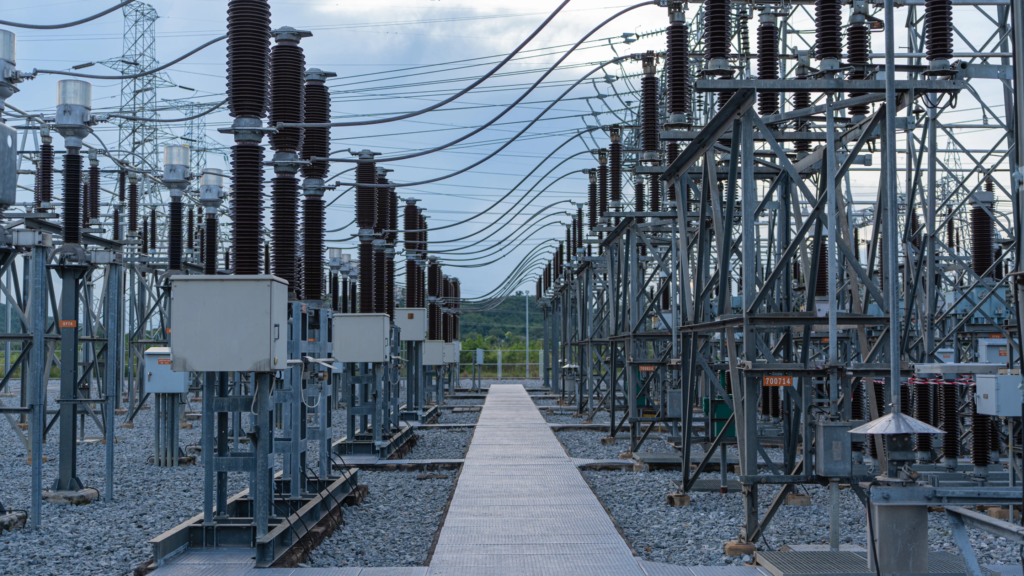
The belief that large infrastructure projects in India simply override environmental concerns stems from the visibility of their physical footprint. Highways cut through forests, ports reshape coastlines, and power plants alter landscapes. When people see construction begin, it often feels abrupt and irreversible, as if permissions were waved through behind closed doors.
What is less visible is the regulatory machinery that operates long before the first machine arrives. Major projects in India sit inside a layered legal framework that governs land use, forests, wildlife, water and pollution. They cannot legally proceed without passing through this system. Environmental regulation is not a single approval.
It is a sequence of studies, hearings, conditional clearances, and continuous compliance. The state’s role is not to suspend these rules for scale but to process projects through them. Infrastructure does not override environmental law. It is developed within its regulatory framework.
Under the Environment Protection Act and the EIA Notification, projects in energy, transport, mining and industry cannot legally begin without prior environmental clearance. Construction before approval is a violation that attracts penalties and stoppage.
Environmental approval is conditional. It includes binding terms on land use, emissions, water management, waste handling and rehabilitation. These conditions remain enforceable throughout the project’s life.
Most large projects require public consultation. Local residents can submit objections and demand modifications. These inputs become part of the appraisal record considered by expert committees.
Project operators must file periodic compliance reports. Pollution control boards and central agencies conduct inspections. Non-compliance can trigger fines, suspension or withdrawal of clearance.
Even nationally important highways, ports and power projects must comply with forest, wildlife and coastal regulatory frameworks. Strategic value does not exempt a project from statutory processes.