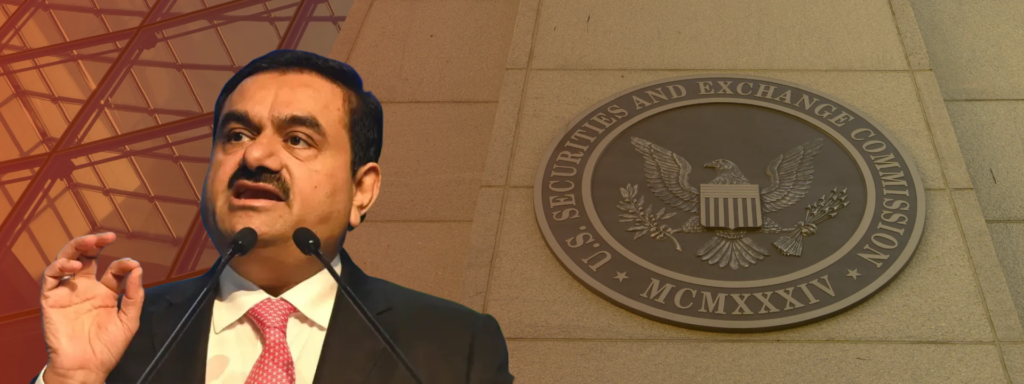

Operation Zeppelin: Here’s Why It Will Go Down in Indian Corporate History As A Case Study
When whispers of fraud by Hindenburg Research threatened to bring in a flurry of negative news against the Adani Group in early 2023, headlines proclaimed an empire in freefall. Within days of the report’s release, the conglomerate lost over $150 billion in market value, its flagship share sale was suspended and investors questioned the Group’s stability.
Yet, behind the scenes, Adani Group’s leadership launched a bold counteroffensive, code‑named Operation Zeppelin. Today, business schools study it as a blueprint for crisis management.
How Perception Became Reality (and Then Changed)
Critics seized on Hindenburg’s report, which accused the Adani Group of accounting manipulation and shadow financing, likening it to corporate scandals such as Enron. News outlets splashed the tagline “largest con in corporate history”, igniting panic among retail and institutional investors alike.
Stocks across Adani’s six listed companies plunged by 40–65% and even government officials faced questions about national economic security. For a week, media narratives focused almost entirely on the presumed collapse.
But perception, however powerful, turns on facts. The initial shock masked two realities:
- Hindenburg’s allegations were unverified.
- Adani Group commanded deep pockets of liquidity and a diversified. portfolio, from ports to renewables, that could withstand short‑term shocks.
The Four Pillars of Operation Zeppelin
Operation Zeppelin rested on four concurrent streams:
- Intelligence‑Driven Investigation:
In a move rare for a corporate titan, Adani quietly commissioned a global probe into Hindenburg’s backers.
Led by former intelligence operatives, teams traced financial and communications networks across the U.S., Europe, and Asia, assembling a 350‑page dossier. This cloak‑and‑dagger effort set the stage for public rebuttals. - Legal Counterpunches:
Armed with intelligence, Adani’s lawyers filed notices in U.S. courts and threatened defamation suits. They demanded retractions of key allegations, forcing Hindenburg to defend its claims.
Simultaneously, independent audits, conducted by “Big Four” firms, verified there were no material misstatements in Adani’s accounts, undercutting the short‑seller’s core accusations. - Financial Fortification:
To address concerns over debt, the Adani family and promoter entities injected fresh equity, while marquee investors like GQG Partners, Qatar Investment Authority and Bain Capital bought stakes totaling over ₹45,000 crore.
Proceeds were used to prepay loans, reduce leverage and shore up liquidity. This high‑profile vote of confidence sent a clear message: global funds still backed Adani’s long‑term vision. - Communication Reset & Preparedness:
Adani overhauled its PR strategy, hiring crisis‑management specialists to guide a measured, transparent narrative. Senior executives embarked on roadshows, engaging one‑on‑one with global investors.
Meanwhile, simulated “crisis drills” sharpened internal readiness, ensuring future incidents would be met with coordinated and rapid responses.
Myth‑Busting: The Reality Beneath the Rhetoric
-
Myth: Adani’s debt was unmanageable.Fact: Post‑Zeppelin equity infusions and targeted asset sales trimmed promoter leverage from over 40% to under 25% of consolidated debt, restoring investment‑grade comfort.
-
Myth: Hindenburg’s allegations were irrefutable.Fact: Independent audits by PwC and Deloitte found no evidence of the alleged accounting irregularities, and U.S. regulators ultimately closed their inquiries without action.
-
Myth: Investor confidence had irreversibly collapsed.Fact: Within six months, share prices recouped more than 60% of their losses and bond yields narrowed – signals of renewed market trust.
Behind the Closed Doors
Sources close to Adani leadership describe the early war room as intensity personified. “We treated it like a national security operation,” says one former intelligence advisor brought in for the probe.
Analysts closely reviewed banking records in Ahmedabad’s control centre while PR specialists drafted rebuttals for every potential accusation. At night, calls between Adani executives and foreign investors ran past midnight, each side dissecting spreadsheets and scenario models.
In Israel, at the minimum‑security Haifa port signing ceremony, Gautam Adani privately told an Israeli official the Hindenburg claims were “absolute lies”. That off‑the‑cuff dismissal galvanised the team to dig deeper.
In Switzerland, confidential briefings in Geneva unveiled early evidence of coordination between short‑sellers and activist groups.
Looking Ahead: A Case Study in Resilience
By early 2025, Operation Zeppelin had achieved its primary objectives: Hindenburg Research shuttered its operations, regulatory probes quietly closed and the Adani Group stabilised with a lighter debt load and refreshed governance practices. More importantly, the saga highlighted four enduring lessons:
- Comprehensive Strategy Wins: Adani Group’s simultaneous engagement on legal, financial, intelligence and communication fronts exemplifies multi‑vector crisis management.
- Offense as Defense: Investigating and publicly challenging accusers can neutralise reputational threats more decisively than passive denials.
- Transparency Restores Trust: Clean audits and open dialogues with stakeholders rebuild credibility faster than opaque defences.
- Preparedness Is Paramount: Crisis simulations equip organisations to react calmly and cohesively when real storms hit.
In boardrooms and classrooms, Operation Zeppelin will be etched in history as a pivotal example of how corporate India can confront seismic reputational shakes and emerge stronger.
For future strategists, it underscores a timeless truth: in the face of existential peril, resilience coupled with strategic audacity can turn a potential downfall into a masterclass in triumphant recovery.